The Ultimate Guide to Commercial Airline Stretcher Services for Safe Medical Transport
When a medical condition requires long-distance travel, moving a patient safely and comfortably becomes a top priority. For individuals who are bedridden or require constant medical monitoring, a offers a practical and cost-effective solution compared to private air ambulances. This specialized service allows patients to travel on scheduled commercial flights while lying flat, accompanied by medical professionals. In this guide, we explore everything you need to know about commercial airline stretcher services, including how they work, who can benefit, and what to expect during the journey.
Learn more about airline stretcher Canada and how it applies to your specific needs.
Medical repatriation and long-distance patient transport have evolved significantly over the years. Today, many airlines provide stretcher accommodations on their aircraft, making it possible for patients to travel across provinces or even internationally. For residents of Canada, services like are readily available, connecting major cities and remote communities alike. Whether you need to transport a loved one from Vancouver to Toronto or from Edmonton to Calgary, commercial airline stretchers ensure that medical needs are met without compromising safety or comfort.
What Is a Commercial Airline Stretcher?
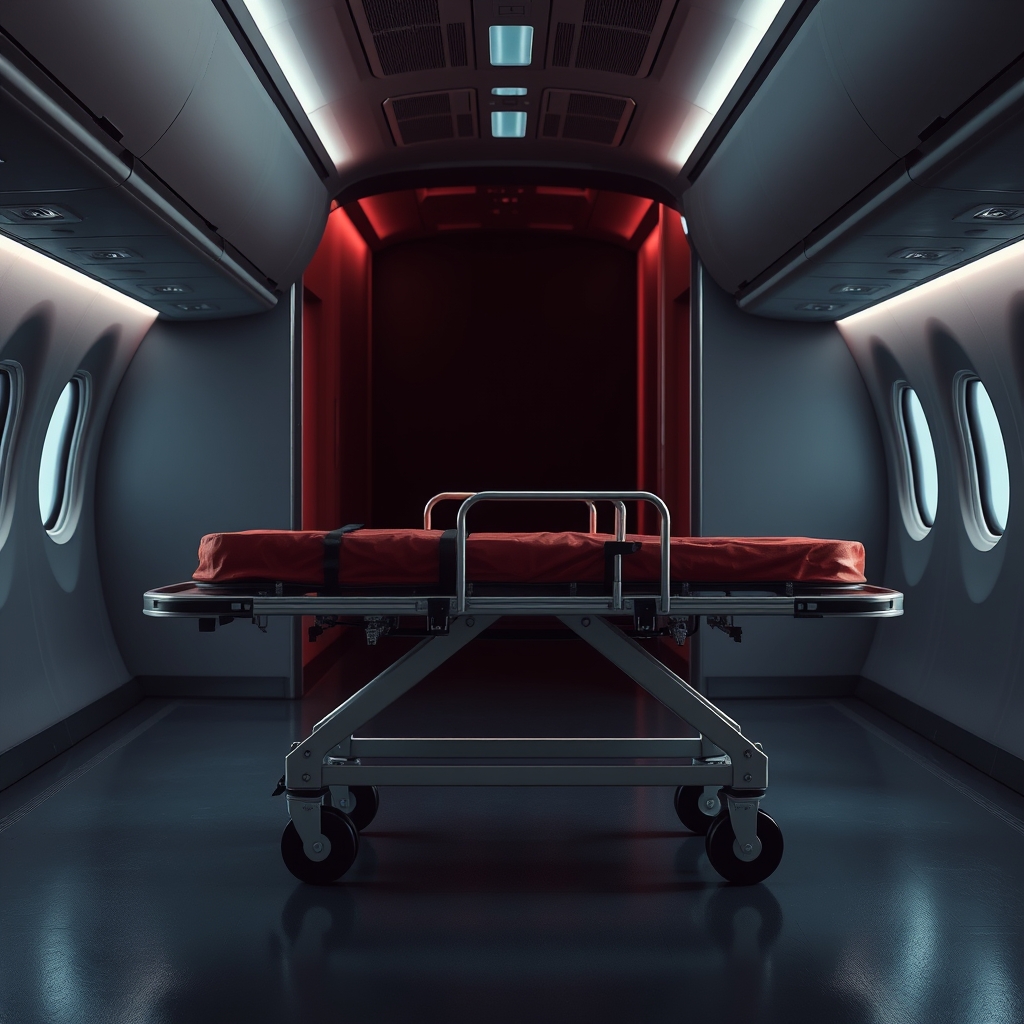
A commercial airline stretcher is a specially designed bed that can be installed on a regular passenger aircraft. It allows a patient to lie down during the flight, which is essential for individuals with spinal injuries, severe mobility issues, or those who cannot sit upright for extended periods. The stretcher is typically secured in a designated area of the cabin, often in a row of seats that are removed to create space. Medical equipment such as oxygen tanks, IV pumps, and monitors can be accommodated alongside the stretcher, ensuring continuous care.
This service is not limited to emergency situations. Many patients use commercial airline stretchers for planned medical travel, such as returning home after surgery or moving to a specialized treatment center. The process involves coordination between the airline, a medical escort team, and ground transportation providers. For those in Western Canada, services are particularly popular, given the province’s vast geography and need for reliable medical transport.
Who Can Benefit from a Commercial Airline Stretcher?
Commercial airline stretchers are suitable for a wide range of patients. Common candidates include individuals recovering from major surgeries, those with chronic conditions requiring bed rest, and patients with fractures or spinal injuries. Additionally, elderly passengers who cannot sit for long periods due to frailty or pain may also qualify. The service is designed to accommodate patients who are medically stable but require a supine position during travel.
One of the key advantages of using a commercial airline stretcher is the significant cost savings compared to a dedicated air ambulance. While air ambulances can cost tens of thousands of dollars, a stretcher on a commercial flight is often a fraction of that price. This makes it accessible for families and insurance providers looking for affordable yet safe transport options. For those seeking , commercial airlines offer a reliable middle ground between standard travel and emergency medical flights.
How Does the Booking Process Work?
Arranging a commercial airline stretcher requires careful planning. The first step is to contact a specialized medical travel agency or the airline’s medical desk. They will assess the patient’s condition, review medical records, and determine if the patient is fit to fly. Once approved, the agency coordinates with the airline to reserve the stretcher space, which is limited on each flight. Typically, only one or two stretchers are available per aircraft, so early booking is essential.
Next, a medical escort team is arranged. This team usually includes a nurse, paramedic, or doctor who stays with the patient throughout the flight. They monitor vital signs, administer medications, and handle any emergencies. Ground ambulance services are also coordinated to transfer the patient from home to the airport and from the destination airport to the final medical facility. In regions like Alberta, services often work in tandem with commercial stretcher providers to ensure seamless care from door to door.
Medical Considerations and Safety Protocols
Safety is paramount when transporting a patient on a commercial flight. Airlines have strict guidelines regarding the types of medical conditions that can be accommodated. For example, patients with contagious diseases, severe respiratory issues, or those requiring intensive care may not be eligible. A thorough medical assessment is conducted before travel to ensure the patient can tolerate the flight environment, including changes in cabin pressure and limited mobility.
Learn more about commercial airline stretcher alberta and how it applies to your specific needs.
During the flight, the medical escort team is equipped with portable medical devices that are approved for aviation use. These may include pulse oximeters, blood pressure monitors, and emergency medications. The stretcher is securely fastened to the aircraft floor to prevent movement during turbulence. Additionally, the crew is briefed on the patient’s condition and emergency procedures. This level of preparation ensures that even patients with complex needs can travel safely.
Cost and Insurance Coverage
Learn more about stretcher patient transport and how it applies to your specific needs.
The cost of a commercial airline stretcher varies depending on the route, airline, and level of medical support required. On average, prices range from $5,000 to $15,000 for domestic flights within Canada, and higher for international routes. This includes the stretcher seat, medical escort fees, and ground transportation. While this may seem expensive, it is significantly cheaper than a private air ambulance, which can exceed $50,000 for similar distances.
Many health insurance plans, including travel insurance and provincial health coverage, may cover part or all of the cost if the transport is deemed medically necessary. It is important to check with your insurance provider before booking. Some policies require pre-approval and documentation from a physician. For those without insurance, payment plans or crowdfunding options are sometimes available. The investment is worthwhile for the peace of mind that comes with professional medical care during travel.
Choosing the Right Provider
Selecting a reputable medical travel agency is crucial for a smooth experience. Look for companies that have experience with commercial airline stretcher arrangements and positive reviews from past clients. They should handle all logistics, including airline coordination, medical escorts, and ground transport. Additionally, ensure they are licensed and insured, and that their medical staff are certified in critical care transport.
One trusted provider in Canada is Jet Companion, which offers comprehensive stretcher services across the country. They specialize in coordinating with major airlines and have a network of medical professionals ready to assist. Whether you need transport from a remote northern community or a major city, they can tailor the service to your needs. Always ask about their communication protocols and contingency plans in case of delays or cancellations.
FAQs
What is the difference between a commercial airline stretcher and an air ambulance?
A commercial airline stretcher is installed on a regular passenger flight, allowing the patient to travel alongside other passengers. An air ambulance is a dedicated medical aircraft with advanced life support equipment and a full medical team. Commercial stretchers are more affordable but have limited medical capabilities compared to air ambulances.
Can a family member accompany the patient on a commercial airline stretcher flight?
Yes, in most cases, one or two family members can travel with the patient. They may sit in nearby seats or in the same row, depending on the aircraft configuration. The medical escort team remains primarily responsible for the patient’s care, but family presence can provide emotional support.
How far in advance do I need to book a commercial airline stretcher?
Learn more about air ambulance alberta and how it applies to your specific needs.
It is recommended to book at least 48 to 72 hours in advance, but some airlines require up to a week’s notice. Last-minute requests may be possible but are subject to availability and medical clearance. Early booking is always best, especially for popular routes.
Are commercial airline stretchers available on all flights?
No, not all aircraft can accommodate a stretcher. Typically, larger planes used for long-haul or domestic mainline routes have the necessary space. Regional jets or smaller turboprops may not have room. Your medical travel agency will help identify suitable flights.
What medical equipment is allowed on a commercial airline stretcher?
Common equipment includes portable oxygen concentrators, IV pumps, suction machines, and monitors. All devices must be approved by the airline and the relevant aviation authority. The medical escort team will ensure everything is properly secured and functioning.
Readers who are interested in this topic will benefit from exploring multiple perspectives and understanding the nuanced approaches that industry leaders recommend. Taking time to research thoroughly ensures better outcomes and more informed decision-making.
Those looking to gain deeper knowledge in this area should consider following expert analysis, staying updated with the latest developments, and engaging with professional communities where these topics are discussed in detail.
A comprehensive understanding of this subject requires looking at both theoretical foundations and practical applications. By combining study with hands-on experience, learners can develop a well-rounded perspective that serves them well in real-world scenarios.
As the landscape continues to shift and evolve, staying informed about emerging trends and best practices becomes increasingly valuable. This ensures you remain competitive and capable of adapting to new challenges as they arise.